Article by ANDREA ROMITO; translation by Chat GPT
Published July 8th, 2026; all rights reserved.
Before colour: the “invisible work” of washing and mordanting
In the previous article of this series (CLICK HERE), we established that the 15th century was an unmistakably colourful world, dispelling the widespread but erroneous modern perception of the Middle Ages as an age dominated by greys and browns. Yet the dazzling beauty of a crimson gown or an azure mantle did not emerge magically the moment the fabric was lowered into the dye vat.
For the Renaissance dyer, producing colour—a process that was itself lengthy and complex, and which will be examined in the following chapters of this series—represented only one, albeit substantial, stage within a far broader technical undertaking. Before discussing dye materials such as madder, woad, or kermes, it is therefore essential to explore the “invisible work” carried out in the workshop: the preparation of the textile itself.
Wool that had not been thoroughly cleaned, or vegetable fibres that had not undergone the appropriate chemical treatment, could irreparably compromise the entire result.
The material dictates the rules: animal and vegetable fibres
The first fundamental principle governing the mind of every dyer was the awareness that no textile was chemically neutral. The nature of the fibre profoundly influenced the final colour—and continues to do so today in the field of experimental archaeology.
Even when immersed in the very same dye bath, identical colouring molecules can produce significantly different results depending on the substrate, with marked variations in brilliance, saturation, and hue.
Fibres fall into two major categories:
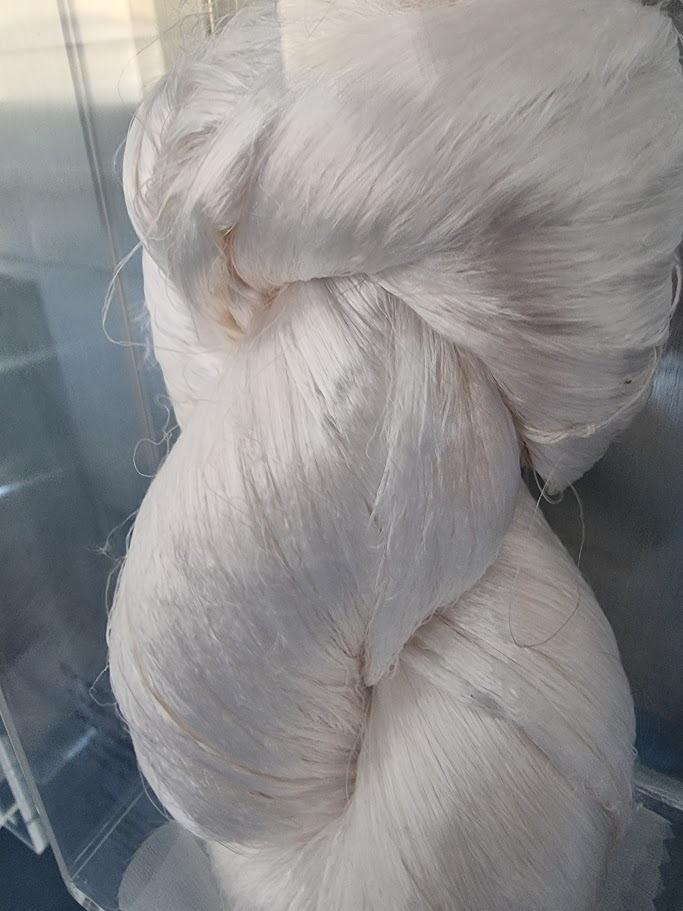
1. ANIMAL FIBRES (wool and silk): being protein-based, they possess a strong chemical affinity for dyes, producing colours that are deep, saturated, and vibrant.
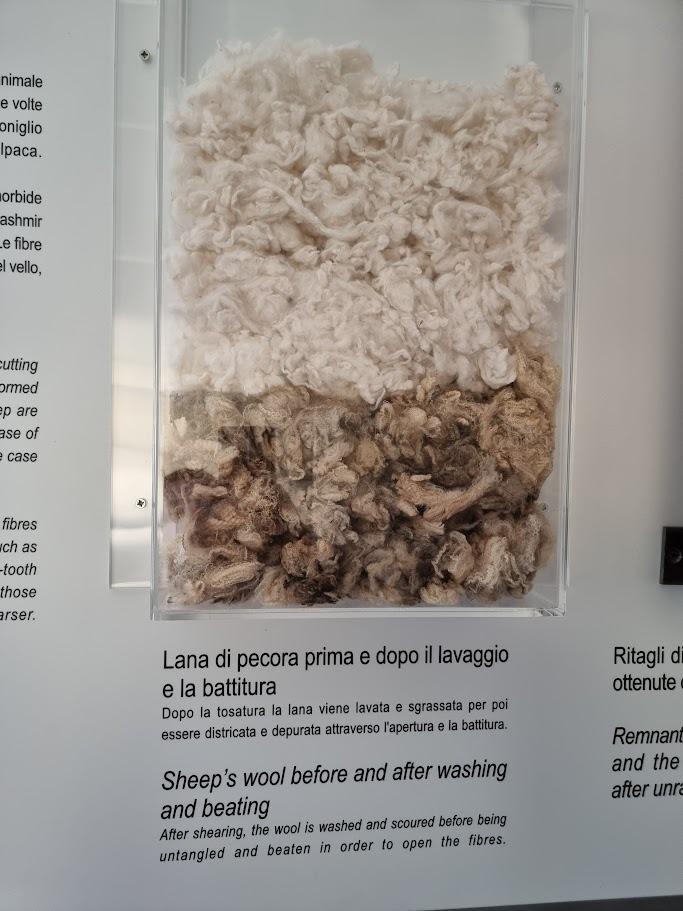
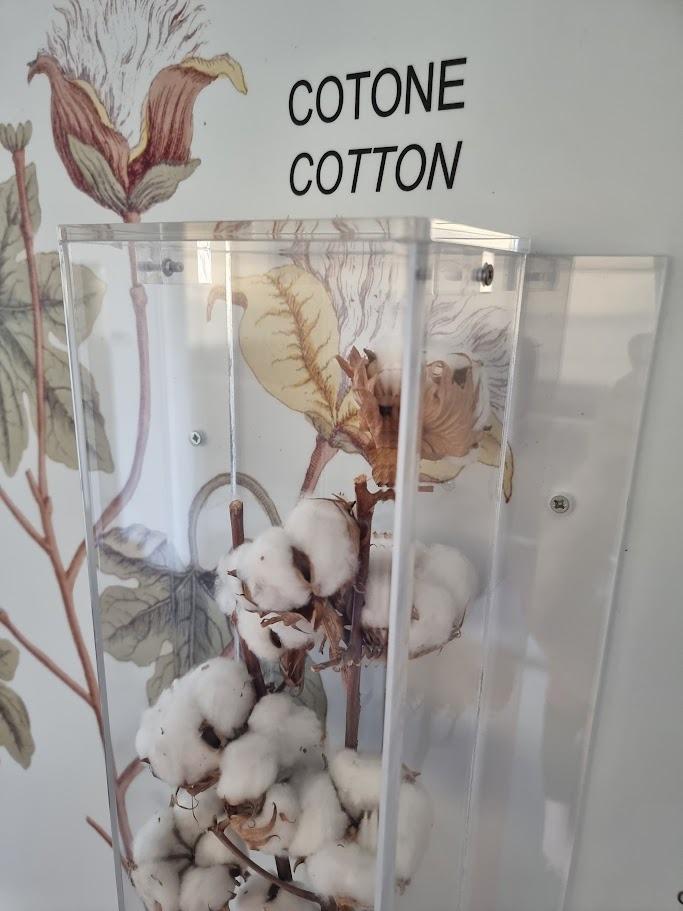
2. VEGETABLE FIBRES (linen and cotton): composed primarily of cellulose, they exhibit considerable chemical inertness. Colour adheres with much greater difficulty, generally resulting in paler and less saturated shades.
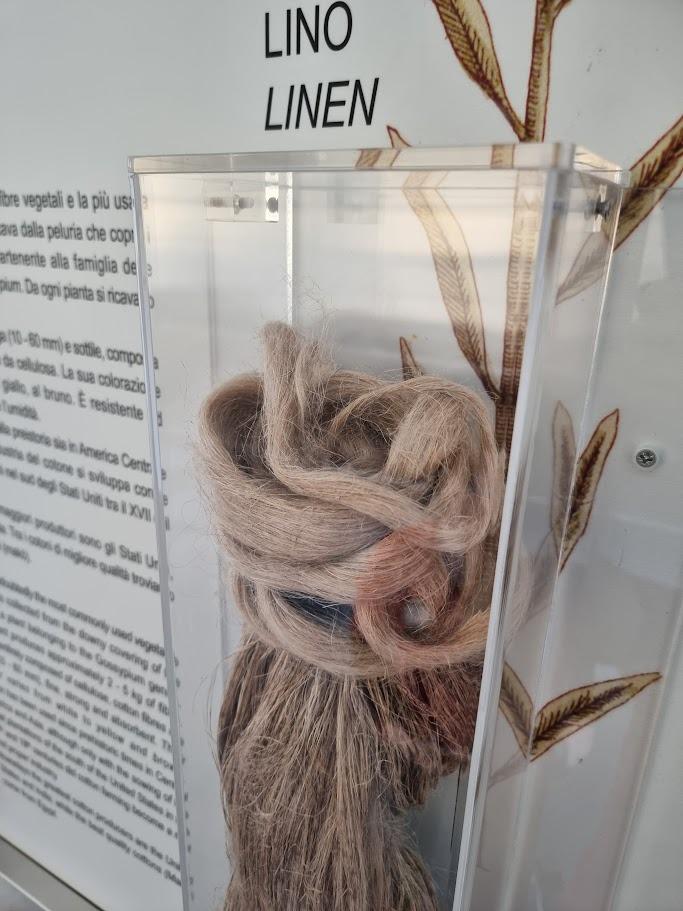
This profound chemical distinction was by no means unknown to Renaissance craftsmen and was even reflected in the organization of the dyers’ guilds. The celebrated Plictho de l’arte de tentori by Giovanventura Rosetti (Venice, c. 1540), although slightly later than the period examined here, explicitly declares on its title page that it teaches the dyeing of “pani, telle, bambasi et seda, sì per l’arte magiore come per la comune” (“cloth, linen, cotton, and silk, both according to the higher and the common craft”). This constitutes an explicit acknowledgement that woollens, linens, cottons, and silks belonged to separate guilds of differing status, so much so that a single manual had to address the practices of each in order to be of practical value to all.[1]
Removing before adding: lye and skeining
Once the peculiarities of each fibre had been understood, the first practical operation undertaken in the workshop was washing.
Spun wool and cotton naturally retained impurities and, above all, the oils intentionally applied during carding in order to facilitate spinning. While these lubricants were indispensable for the spinner, they constituted a serious obstacle for the dyer, acting as a water-repellent barrier that prevented the dye from penetrating the fibres evenly, inevitably producing irreversible blotches and irregularities.
SILK, although it required no carding, likewise did not arrive at the dyer’s workshop in a clean state.
The Plictho devotes an entire recipe to “removing the soap from silk“, prescribing repeated immersion in very hot water followed by thorough rinsing until every trace of soap had disappeared before the alum treatment could begin: “To remove the soap from silk. Before aluming it, heat water and pour it into a vessel or tub; place the silk in the hot water and leave it until thoroughly warmed. Then work the silk by hand, repeating the operation up to three times; afterwards remove it and wash it very carefully until all the soap has been removed. Once it has been thoroughly washed, it must be placed into the alum bath in the following manner…” [2]
WOOL likewise underwent a carefully structured preparatory process. The manufacturing sequence reconstructed by historians of the Tuscan wool industry shows that, before it could be spun or dyed, raw fleece passed through a succession of specialised mechanical operations: washing, divettatura (the removal of vegetable debris and solid impurities trapped within the fleece), and vergheggiatura (beating with rods to loosen and open the fibre mass). These were followed later in the production cycle by carding, combing, and teasing, depending on whether the wool was intended for combed worsted (stame) or the more common carded woollens (palmelle).
Not surprisingly, these represented the humblest and least remunerated occupations within the workshop, entrusted to unskilled or minimally trained labourers.[3]
The preparatory process for vegetable fibres, particularly COTTON, was equally elaborate, although organised differently. Before reaching the dye vat, raw cotton passed through a sequence of distinct operations, often carried out by specialised workers: washing in a hot bath, beating with rods to loosen and clean the fibres, spinning, and finally the process known as reeling, whereby the thread was wound onto a swift (or reel), a simple wooden frame consisting of two crossbars that gave the skein its standard form and measured length.[4]
Whenever a light-coloured shade was desired, the spun yarn was also bleached by sulphur fumigation, a treatment that removed residual vegetable oils before dyeing by simple immersion. This procedure was intended solely to clean and whiten the fibre, improving its appearance, and must be clearly distinguished—as we shall see shortly—from the much more sophisticated process of mordanting proper.
The watchword, therefore, was degreasing.
To accomplish this, dyers employed enormous quantities of wood ash (cenere da vagello), obtained by burning both softwoods and hardwoods, to prepare lye: a powerful alkaline solution rich in potassium salts that fulfilled essentially the same function as modern caustic soda.
The surviving account books of the Sienese entrepreneur Landoccio di Cecco d’Orso, covering the years 1367–1369 and, after a documentary gap, 1377–1383, reveal the extraordinary scale of this consumption. In a single memorandum, Landoccio records the purchase of no fewer than 1,500 pounds of ash (lb 1500 di cienare) for his dye workshop.[5]
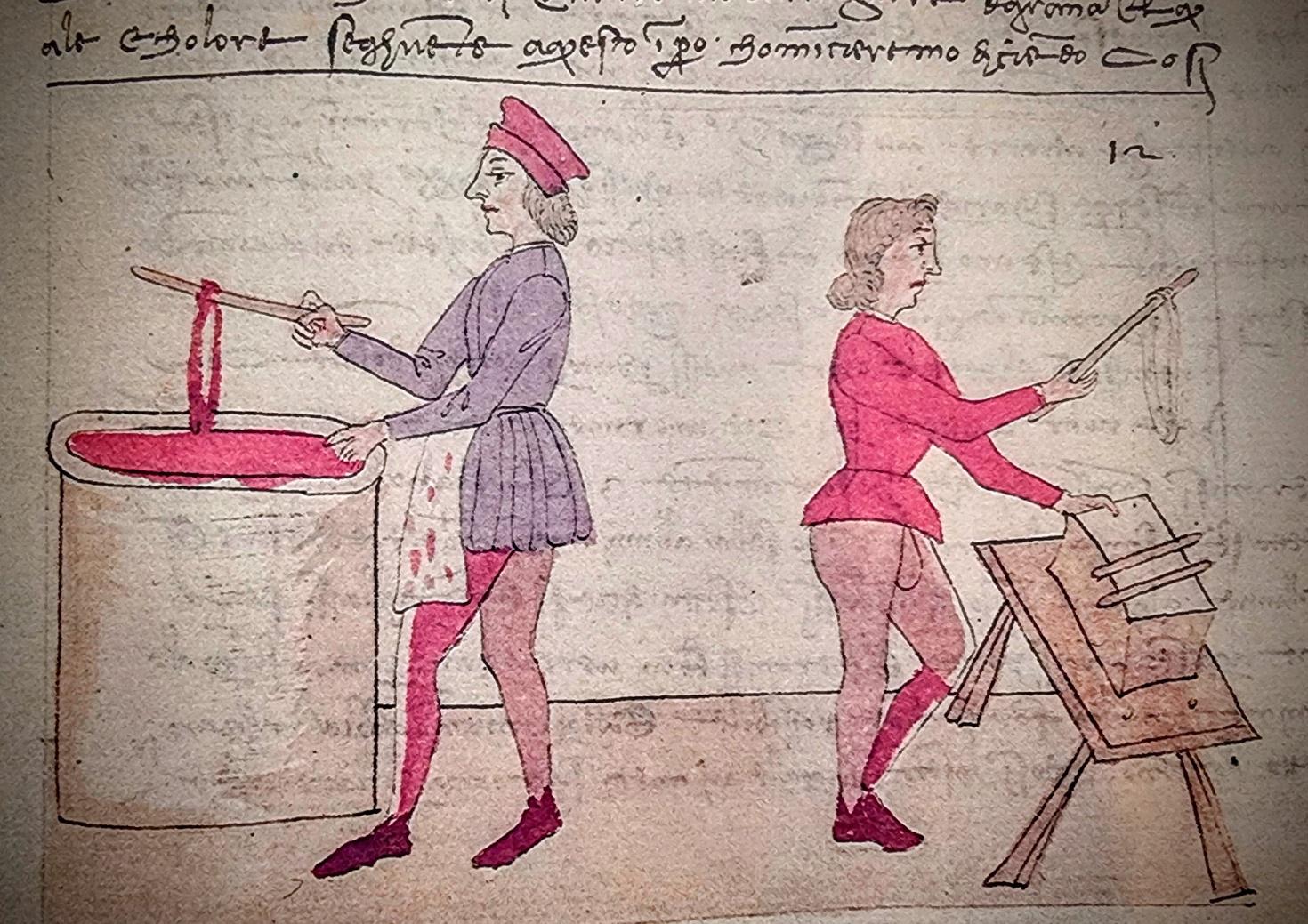
Cleaning the fibres also required remarkable manual skill and logistical organisation. Skeins could not simply be thrown into the dye kettle, since the turbulence created by boiling would quickly transform them into hopeless tangles. Before washing, therefore, they had to be carefully tied and managed.
The Florentine Treatise describes this procedure in considerable detail. Skeins of raw silk were first marked with a guide thread known as the bandolo, then weighed, counted, and enclosed in a sack before being sent to the dyehouse. They were immersed in a cauldron of warm water—never excessively hot, “for otherwise you would ruin the silk by overcooking it“—after which the apprentices climbed into the vat barefoot, delivering “twenty-five or thirty kicks” to soften the fibres thoroughly before removing them, twisting them, and hanging them to dry always in the shade. Exposure to direct sunlight, the Treatise warns, would merely cause the silk to become stiff and brittle.[6]
The Trattato dell’Arte della Seta in Firenze (Treatise on the Art of Silk in Florence), compiled by an anonymous Florentine author in the early 15th century, likewise emphasises the meticulous physical handling of silk yarn. It describes the use of parucelli, wooden rods employed to support, drain, and twist the skeins after their removal from the dye kettle:
“Then wash it and crimp it, place it upon the parucelli, and arrange it in the following manner […] lift the silk, move it ten or twelve times, draw it out, and leave it resting upon the parucelli over the cauldron so that it may drain.”[7]
The chemical bridge: mordanting
Only after the fibres had been thoroughly degreased, washed, and properly prepared were they ready for the most technically demanding stage of the entire process: mordanting.
Very few natural dyes—known as direct or substantive dyes—are capable of bonding to textile fibres unaided. The overwhelming majority require an intermediate agent, namely a mordant, capable of creating a stable chemical bond (through chelation) between the fibre and the dye molecule.
The mordants employed by Renaissance dyers belonged to two principal chemical categories.
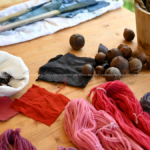
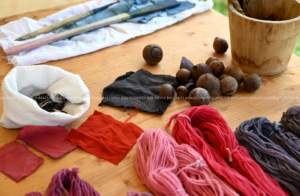
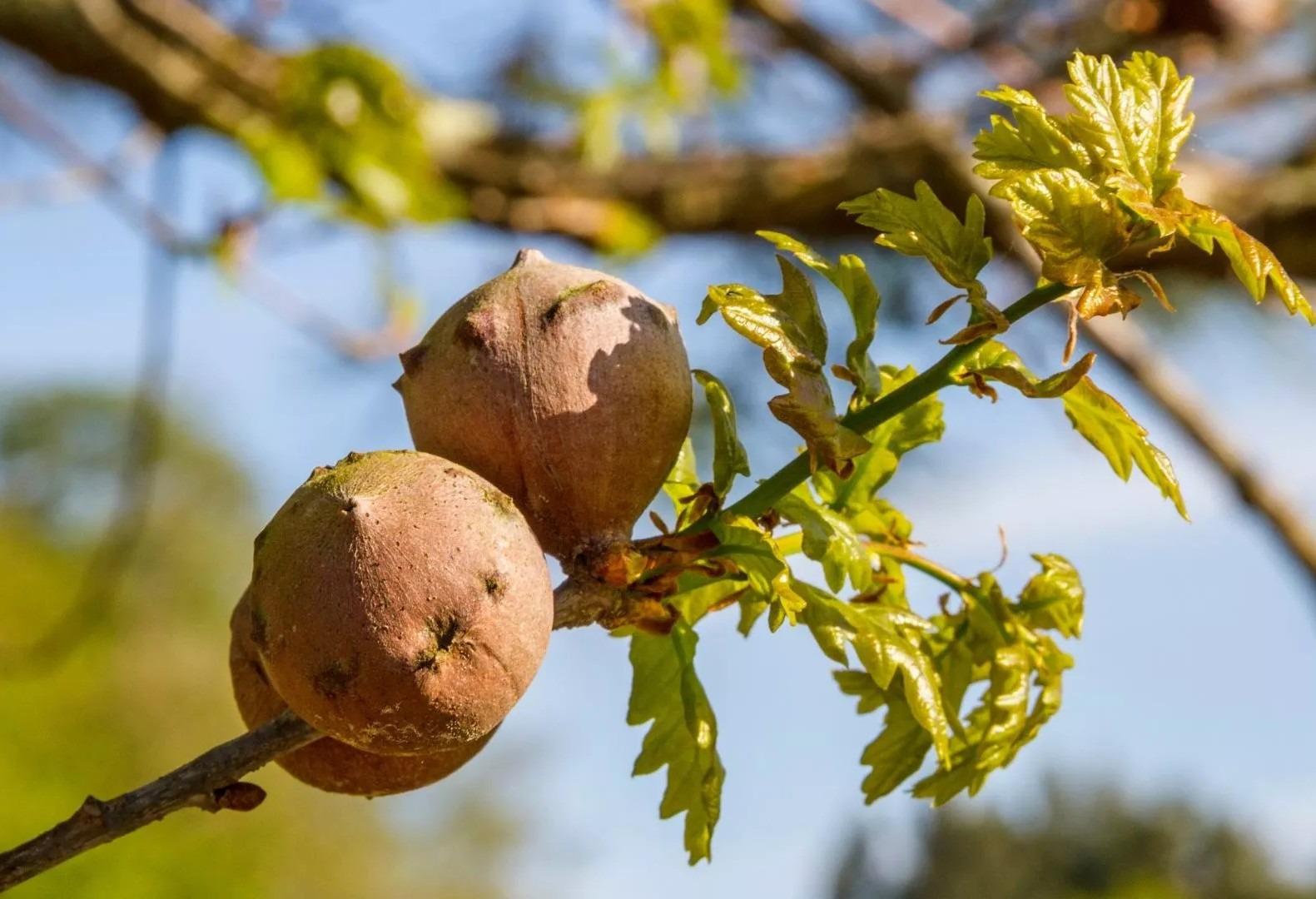
The first comprised organic mordants, based on tannins extracted from the bark of various trees—including pine, chestnut, oak, alder, and birch—and, above all, from oak galls, whose tannin content could reach as much as 70%.[8]
The second consisted of inorganic mordants, represented chiefly by salts of aluminium, iron, and tin.
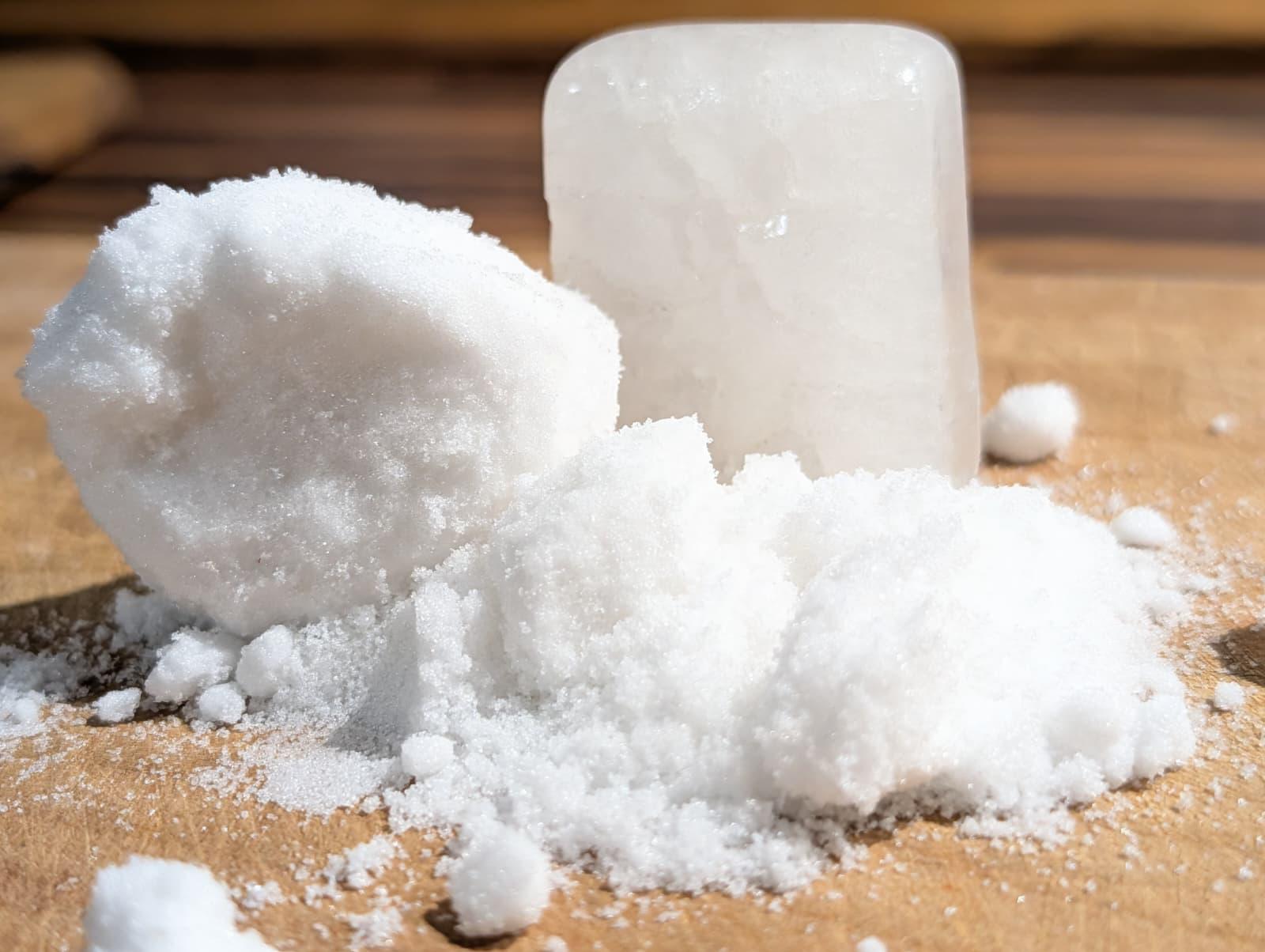
Among these, by far the most prized was alum, renowned for imparting exceptional brilliance to dyed textiles. It was frequently used together with cream of tartar (gromma), the crystalline tartaric residue deposited inside wine casks during fermentation. The latter functioned as an auxiliary mordant rather than a substitute for alum.
When burned, the same tartar produced an ash exceptionally rich in potassium, known as lees alum (allume di feccia). Contemporary sources regarded it, at least in theory, as an excellent fixing agent, although there is no evidence that every dye workshop actually employed it in practice.[9]
For animal fibres, the undisputed king of mordants was rock alum. Its strategic importance increased enormously during the 15th century following the discovery of the rich alum deposits at Tolfa, within the Papal States, which enabled Italy to free itself from dependence on imported Turkish alum.
The Florentine Treatise instructs that, after washing, the silk should be placed “in alum for one day, or one night,” allowing the salt to penetrate deeply into the fibres before the yarn was boiled for an entire hour.[10]
For vegetable fibres, however, the process was considerably more laborious.
The chemical inertness of cotton and linen required a compulsory two-stage treatment. Before alum could be applied, these fibres first had to undergo galling (ingallatura): they were boiled in a solution rich in tannic acid, extracted primarily from oak galls. The tannins modified the cellulose, enabling it to receive the alum more effectively and thus form a stable bond with the dye.
This procedure also carried a precisely documented cost. In Siena, in 1367, treating cotton with oak galls cost two soldi and two denari per pound, as recorded in a payment entered by Landoccio di Cecco d’Orso in his memorandum for ninety-two pounds of cotton that had been inghalare (“treated with galls”).[11]
In this respect, Renaissance master dyers possessed an astonishing degree of empirical knowledge. They were capable of assessing the concentration and quality of the active ingredients simply by handling or visually examining the raw materials. The Anonymous Florentine author warns of the considerable variation in the quality of oak galls depending on their geographical origin:
“Nowadays they also use a certain kind of gall, namely the little oak galls gathered in the Casentino, but you need twice as much of them as of good-quality galls […]. Never use these for producing greys, for you will never obtain a satisfactory one.”[12]
The Casentino galls, although serviceable for some purposes, were therefore regarded as distinctly inferior. They required double the quantity of superior-quality galls, and the author emphatically discouraged their use for producing grey shades, since they consistently failed to yield satisfactory results.
Tactile knowledge: temperature control and thermal shock
Finally, the dyer’s last invisible enemy lay in the control of heat.
Although modern popular belief often claims that “wool fears heat,” both historical procedures and experimental archaeology demonstrate precisely the opposite.
That temperature management constituted an essential body of technical knowledge rather than a secondary concern is confirmed by the historical sources themselves.
When dyeing silk in crimson kermes, the Florentine Treatise instructs that the silk should be immersed in the dye bath before it reaches a full boil, after which it is allowed to simmer for approximately two-thirds of an hour. In this way, the fibre enters the bath while the temperature is still rising gradually, avoiding the shock of immediate immersion in liquid already at maximum heat.[13]
An equally important, though opposite, precaution concerned the moment when the yarn was removed from the vat.
In the chapter devoted to defects occurring in the dyeing of green, the same Treatise warns that if the dyer allows the freshly treated skein to cool even briefly before rinsing it, the colour becomes “blind” (accieca)—that is, dull and lifeless, losing its brilliance. As the author succinctly puts it, green “must be taken directly from the vat and immediately placed into water.”[14]
Whether modern historians choose to describe this phenomenon as thermal shock or not, the principle was perfectly understood by 15th century dyers: every change in temperature, whether heating or cooling, had to be managed with the same care devoted to the selection of dyes themselves.
In practical terms, this translated into a carefully controlled management of the fire. Fibres were generally introduced into the bath while it was still cold or only lukewarm; the temperature was then raised gradually until the boil required for fixing mordants and dyes had been reached. Afterwards, the material was allowed to cool slowly, and at no point was the wet textile subjected to abrupt temperature changes.
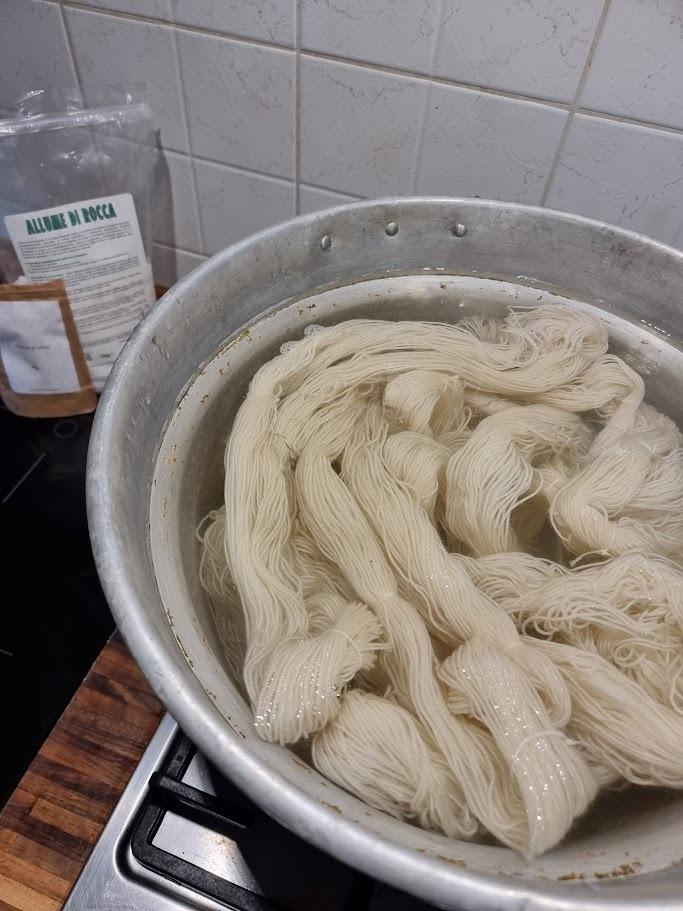
This mastery over timing, alkaline solutions, and temperature confirms a principle that is too often overlooked: written treatises alone are never sufficient unless they are tested and complemented through empirical, tactile, hands-on experimentation.
Only after this long, painstaking, yet indispensable preparatory work was the Renaissance dyer finally ready to undertake the most spectacular stage of the craft: immersion in the dye baths of woad, madder, and kermes, from which the textile would acquire its chromatic identity.
It is with these remarkable dyestuffs—and with the chemical, commercial, and social factors that governed their use—that the next chapter of this series will begin.
NOTE
[1] G. VENTURA ROSETTI, Plictho de l’arte de tentori che insegna tenger pani, telle, banbasi et seda, sì per l’arte magiore come per la comune, Venice (c. 1540), title page and author’s dedication.
[2] Ivi, chapter “A cavarli sapon de la seda” (“On Removing Soap from Silk”).
[3] P. GUARDUCCI, Un Tintore Senese del Trecento. Landoccio di Cecco d’Orso, with a foreword by G. Cherubini, Protagon Editori Toscani, Florence (1998), pp. 61–63, 129.
[4] Ivi, pp. 72–73.
[5] Ivi, p. 117.
[6] G. GARGIOLLI (ed.), L’arte della Seta in Firenze, G. Barbera Editore, Florence (1868), pp. 7–11 (Chapters II and IV, “Del lavorare la seta alla caviglia” [“On Working Silk on the Swift”] and “Dello istufare” [“On Steaming”]).
[7] Ivi, pp. 31–32.
[8] Pathological growths formed on oak branches as a result of egg-laying by gall wasps (family Cynipidae). These plant structures are rich in tannins and phenolic compounds and were historically used in textile dyeing, leather tanning, and the manufacture of iron-gall inks.
[9] P. GUARDUCCI, Un Tintore Senese del Trecento, op. cit., pp. 93–95, 114.
[10] G. GARGIOLLI, L’arte della Seta in Firenze, op. cit., pp. 31–32.
[11] P. GUARDUCCI, Un Tintore Senese del Trecento, op. cit., p. 112.
[12] G. GARGIOLLI, L’arte della Seta in Firenze, op. cit., pp. 56–58.
[13] Ivi, pp. 31–32.
[14] Ivi, p. 45 (Chapter XX, “De’ mancamenti nel tigner verde” [“On Defects Encountered in Dyeing Green”]).
*** Leggi questo articolo in lingua italiana: CLICCA QUI ***